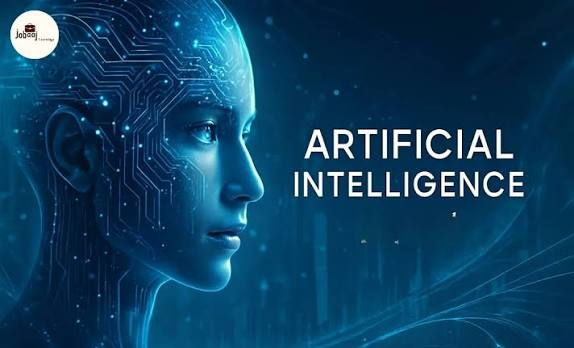
Artificial Intelligence (AI) has become one of the most influential technologies of the 21st century. Once considered a concept limited to science fiction, AI is now an essential part of everyday life, powering everything from smartphones and virtual assistants to healthcare systems and self-driving vehicles. As AI continues to evolve, it is transforming industries, improving productivity, and creating new opportunities for innovation. Understanding how AI works and its impact on society is becoming increasingly important in our rapidly changing digital world.
Artificial Intelligence refers to computer systems that can perform tasks that normally require human intelligence. These tasks include learning from experience, recognizing speech, understanding language, solving problems, making decisions, and identifying patterns in data. Unlike traditional software that follows fixed instructions, AI systems can analyze large amounts of information, adapt to new situations, and improve their performance over time through machine learning and deep learning techniques.
One of the biggest advantages of AI is its ability to automate repetitive and time-consuming tasks. Businesses use AI-powered tools to manage customer service, process data, detect fraud, and optimize supply chains. Chatbots provide instant customer support, while AI algorithms analyze consumer behavior to deliver personalized recommendations. These applications help organizations reduce costs, improve efficiency, and enhance customer satisfaction.
The healthcare industry has experienced remarkable improvements through AI technology. Medical professionals use AI to analyze medical images, detect diseases at an early stage, and assist in diagnosis. AI-powered systems can process thousands of medical records in minutes, helping doctors make more informed decisions. Researchers are also using AI to accelerate drug discovery, identify potential treatments, and improve patient care. These advancements have the potential to save lives and make healthcare more accessible worldwide.
Education is another field benefiting from Artificial Intelligence. AI-driven learning platforms can personalize educational content according to each student’s learning style and pace. Intelligent tutoring systems provide instant feedback, helping students understand complex subjects more effectively. Teachers can use AI to automate administrative tasks such as grading assignments, allowing them to focus more on teaching and student engagement. As online learning continues to grow, AI is making education more flexible and accessible.
AI has also revolutionized transportation and manufacturing. Self-driving vehicles use AI to recognize road conditions, avoid obstacles, and navigate safely. In manufacturing, intelligent robots perform precise tasks with high accuracy, reducing production errors and increasing efficiency. Predictive maintenance powered by AI helps companies identify equipment issues before failures occur, minimizing downtime and reducing maintenance costs.
Despite its many benefits, Artificial Intelligence also presents significant challenges. One major concern is the impact of automation on employment. As AI systems become capable of performing tasks previously done by humans, some jobs may disappear while new roles requiring advanced technical skills emerge. Governments, businesses, and educational institutions must work together to help workers develop the skills needed for the future workforce.
Privacy and ethical issues are also important considerations. AI systems rely on large amounts of data, raising concerns about data security, surveillance, and personal privacy. Biased training data can result in unfair or inaccurate decisions, highlighting the importance of transparency, fairness, and accountability in AI development. Responsible regulation and ethical guidelines are essential to ensure AI benefits society while minimizing potential risks.
Looking ahead, Artificial Intelligence will continue to shape the future in ways that were once unimaginable. Advances in robotics, natural language processing, computer vision, and generative AI are opening new possibilities across industries. From scientific research and environmental protection to finance and entertainment, AI will play a central role in solving complex global challenges.
In conclusion, Artificial Intelligence is more than just a technological innovation—it is a transformative force that is reshaping how people live, work, and interact. While challenges related to ethics, privacy, and employment must be addressed, the potential benefits of AI are enormous. By embracing responsible development and continuous learning, society can harness the power of Artificial Intelligence to create a smarter, more efficient, and more sustainable future for generations to come.