
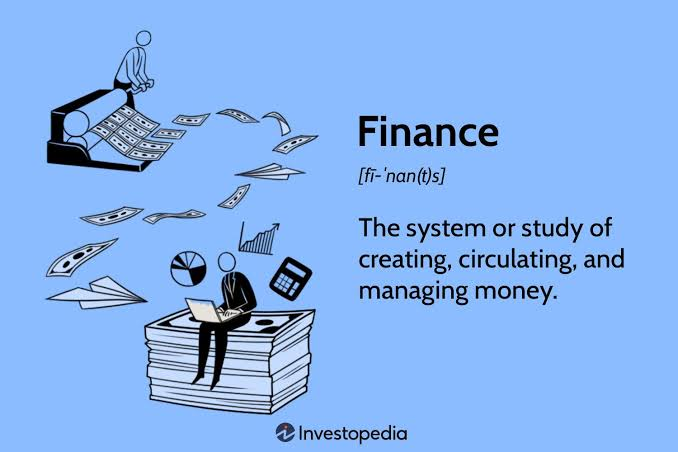
Finance is one of the most important aspects of modern life. It influences how individuals manage their money, how businesses grow, and how governments fund public services. Whether it is saving for the future, investing in a business, or planning a household budget, financial knowledge plays a vital role in achieving stability and long-term success. Understanding the principles of finance empowers people to make informed decisions that improve their quality of life and help them reach their goals.
At its core, finance is the management of money and other assets. It involves earning, spending, saving, investing, and protecting financial resources. Finance can be divided into three major categories: personal finance, corporate finance, and public finance. Personal finance focuses on managing an individual’s or family’s income and expenses. Corporate finance deals with how businesses raise capital, invest in projects, and maximize shareholder value. Public finance involves the financial activities of governments, including taxation, budgeting, and public spending.
Personal finance is essential for financial security. Creating a budget allows individuals to track income and expenses, helping them avoid unnecessary debt and build healthy financial habits. Saving money regularly provides a financial cushion for emergencies and future goals, such as buying a home, paying for education, or enjoying a comfortable retirement. Responsible use of credit is equally important, as maintaining a good credit score can improve access to loans and lower borrowing costs.
Investing is another key element of finance. Unlike saving, which focuses on preserving money, investing aims to grow wealth over time. Common investment options include stocks, bonds, mutual funds, exchange-traded funds (ETFs), and real estate. While every investment carries some level of risk, a diversified portfolio can help reduce potential losses while increasing the chances of earning consistent returns. Long-term investing, supported by patience and discipline, often produces better results than attempting to profit from short-term market fluctuations.
Businesses rely on sound financial management to succeed in competitive markets. Financial planning enables companies to allocate resources efficiently, manage cash flow, and make informed investment decisions. Businesses must balance profitability with sustainability by controlling costs while pursuing growth opportunities. Financial statements such as the balance sheet, income statement, and cash flow statement provide valuable insights into a company’s financial health, helping managers, investors, and lenders evaluate performance.
Technology has transformed the world of finance in remarkable ways. Online banking, mobile payment systems, digital wallets, and financial technology (fintech) platforms have made financial services faster, more accessible, and more convenient than ever before. Artificial intelligence and data analytics are improving fraud detection, investment analysis, and customer service. Meanwhile, cryptocurrencies and blockchain technology are introducing innovative ways to transfer value and record financial transactions, although these emerging technologies also present new risks and regulatory challenges.
Financial literacy has become increasingly important in today’s complex economy. People who understand concepts such as budgeting, interest rates, inflation, taxes, insurance, and investment diversification are better equipped to make smart financial decisions. Schools, employers, and financial institutions are placing greater emphasis on financial education because informed consumers are less likely to experience financial hardship and more likely to build lasting wealth.
One of the greatest benefits of strong financial planning is peace of mind. Having clear financial goals, maintaining an emergency fund, managing debt responsibly, and investing consistently can reduce stress during uncertain times. Good financial habits also create opportunities to pursue personal dreams, start businesses, support family members, and contribute to charitable causes.
In conclusion, finance is much more than managing money—it is a powerful tool for creating opportunity, security, and prosperity. Whether managing personal finances, running a successful business, or shaping economic policy, financial knowledge provides the foundation for informed decision-making. As the global economy continues to evolve, developing strong financial skills will remain one of the most valuable investments anyone can make for a secure and successful future.