
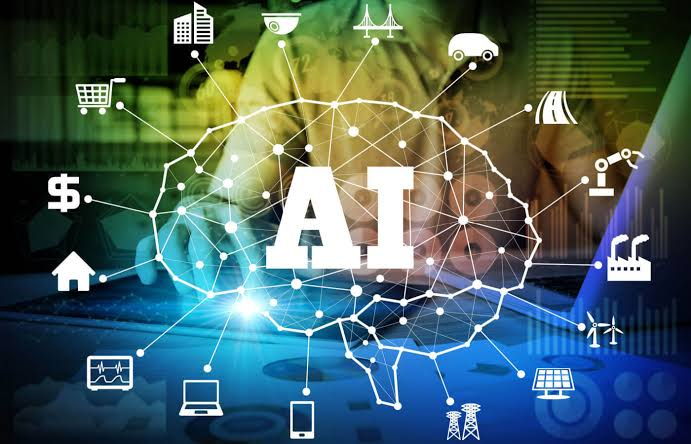
Artificial Intelligence (AI) is one of the fastest-growing technologies in the world today. It is changing the way people communicate, work, learn, shop, and solve problems. What once seemed like a futuristic dream has become a reality, with AI integrated into smartphones, smart homes, online services, and business operations. As technology continues to advance, AI is becoming an essential tool that improves efficiency, supports innovation, and creates new opportunities across every industry.
Artificial Intelligence is the ability of a computer or machine to perform tasks that usually require human intelligence. These tasks include understanding language, recognizing images, making predictions, solving complex problems, and learning from data. Unlike traditional computer programs that follow fixed instructions, AI systems continuously improve by analyzing information and identifying patterns. Machine learning and deep learning are two major technologies that enable AI to become smarter over time.
One of the most noticeable uses of AI is in everyday consumer technology. Virtual assistants like Siri, Google Assistant, and Alexa help users manage schedules, answer questions, play music, and control smart devices with voice commands. Streaming platforms recommend movies and songs based on user preferences, while online stores suggest products that customers are likely to purchase. These personalized experiences make digital services more convenient and enjoyable.
Businesses are also benefiting significantly from AI-powered solutions. Companies use AI to analyze customer behavior, forecast market trends, automate repetitive tasks, and improve decision-making. Customer service chatbots provide instant support around the clock, reducing waiting times and increasing customer satisfaction. Marketing teams use AI to create targeted advertising campaigns, while financial institutions rely on intelligent systems to detect fraud and manage risks more effectively.
The healthcare industry has embraced Artificial Intelligence to improve medical services and patient outcomes. AI algorithms assist doctors by analyzing medical images, identifying diseases, and recommending treatment options. Hospitals use predictive analytics to monitor patient conditions and detect health risks before they become serious. Researchers also use AI to accelerate drug discovery by analyzing vast amounts of biological data, reducing the time needed to develop new medicines.
Education is undergoing a major transformation through AI technology. Intelligent learning platforms adapt lessons according to each student’s strengths and weaknesses, creating personalized learning experiences. AI-powered tutors provide immediate feedback and help students practice difficult concepts at their own pace. Teachers can automate administrative tasks such as grading assignments and tracking attendance, giving them more time to focus on classroom instruction and student development.
Artificial Intelligence is also making industries more productive. Manufacturing companies use intelligent robots to assemble products with exceptional speed and accuracy. AI systems monitor equipment performance and predict maintenance needs, helping prevent unexpected breakdowns. In agriculture, AI-powered drones and sensors help farmers monitor crop health, optimize irrigation, and increase food production while reducing waste.
Although AI offers many advantages, it also raises important ethical and social concerns. Automation may replace certain jobs, requiring workers to learn new skills for an evolving job market. Privacy is another challenge because AI systems depend on large amounts of personal and business data. Ensuring that AI is transparent, secure, and free from bias is essential for building public trust. Governments, technology companies, and researchers must work together to establish responsible guidelines for AI development and use.
The future of Artificial Intelligence is full of exciting possibilities. AI is expected to play a key role in scientific discoveries, climate research, cybersecurity, transportation, and space exploration. As computing power increases and AI models become more advanced, machines will be able to solve increasingly complex problems that benefit society. However, success will depend on balancing innovation with ethical responsibility and human oversight.
In conclusion, Artificial Intelligence is transforming modern life in remarkable ways. It is improving healthcare, education, business, manufacturing, and everyday convenience while opening the door to countless new innovations. Although challenges such as privacy, employment, and ethics must be addressed, AI has the potential to make the world more efficient, productive, and connected. By embracing responsible AI development, humanity can unlock its full potential and build a smarter, safer, and more sustainable future.